News · 18 Nov 2026
Dead Sea Scrolls: Groningen Defies 18 Professors, Keeps Deal
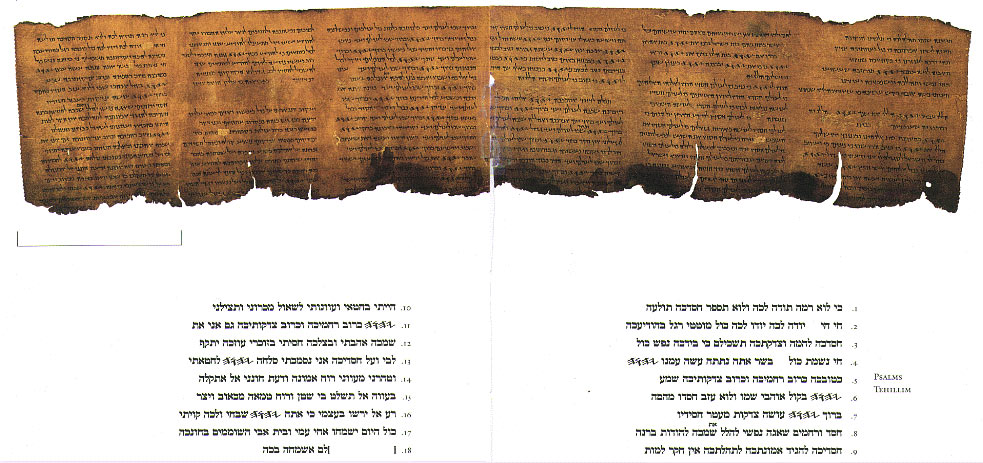
The University of Groningen will keep running a five-year study of the Dead Sea Scrolls with the Israel Antiquities Authority, rejecting an appeal from 18 of its own professors to end the partnership. The executive board confirmed the decision in a statement on 11 November, making the RUG one of the few European universities to openly defend a research deal with an Israeli state body.
The argument is not about how old the manuscripts are. It is about who holds them. The scrolls were found between 1947 and 1956 in caves at Qumran, in what is now the occupied West Bank, and were moved from the Palestine Archaeological Museum in East Jerusalem to the Israel Museum in West Jerusalem after the 1967 war. Palestinians no longer have access to the collection, and critics say a Dutch university cannot work with the body that keeps it out of reach without endorsing that arrangement.
A 2.5 million euro grant and a laboratory in Jerusalem
In June the European Research Council awarded 2.5 million euro to Mladen Popovic, an RUG professor of ancient Judaism, for a five-year project on the origins of the scrolls. His team analyses hundreds of samples of parchment, papyrus, ink, dust and minerals, combining chemical analysis with artificial intelligence, in a laboratory run by the Israel Antiquities Authority (IAA) in Jerusalem. The method made headlines in 2025, when the same researchers used machine learning to show that parts of the collection were older than previously thought.
That is the board's core defence: the samples, the equipment and the permits sit with the IAA, so the project cannot simply swap in another partner and carry on.
An open letter, then a revolt of professors
In August, three Dutch groups, Stichting Groningen-Jabalya, Apartheid Vrije Zone Groningen and RUG4Palestine, sent an open letter calling for the study to stop, arguing that cooperation with an Israeli government body legitimises the occupation. The board replied later that month that the humanitarian situation in the region was "heartbreaking" but not directly linked to the research.
In October, 18 professors wrote to the board asking it to reconsider. One of them put the case in blunt terms.
“By working together, the RUG gives the Israeli institution recognition, legitimacy, and prestige. Anyone who remains neutral in a situation of injustice has sided with the oppressor.” — Marcel Brus, emeritus professor of international public law at the University of Groningen.
The draft law the critics keep citing
Opponents also point to a proposed Israeli law that would bring archaeology in the West Bank and Gaza under Israeli legislation. They argue it would let Israel tie land claims to excavation permits, and that a European-funded project working inside that system lends the claim credibility.
The board's November statement said the collaboration "does not constitute endorsement of government policy" and argued that ancient Jewish history should be studied separately from the current conflict. It described the project as having a clear scientific aim and a need for direct access to the manuscripts held by the IAA.

Why a Groningen committee lands in Amsterdam politics
Dutch universities have been a test case for European research ties with Israel since late 2023, when several faculties suspended exchange agreements and others refused to. What makes the Groningen case awkward for The Hague is where the money comes from: the grant is European, awarded in Brussels, which limits what a Dutch minister can do about it either way.
For students and staff in Amsterdam, the question is narrower: if the board's reasoning holds, it becomes the template for every other Dutch institution facing a similar review request.
- The project runs to 2031, with the IAA as both laboratory partner and holder of most of the collection.
- The 18 signatories asked for reconsideration rather than a vote; the board has not scheduled a new meeting with them.
- The city and student groups that wrote in August say they will keep pressing the university.
- The proposed Israeli archaeology law is the next flashpoint if it advances.
What happens next
Sample analysis and fieldwork continue in Jerusalem, and the ERC grant runs until 2031, so nothing in the laboratory changes this month. The next move belongs to the 18 professors and the three campaign groups, who can escalate to the university's supervisory bodies or to the European Research Council, which funded the study. The other variable is the draft archaeology law: if it passes, Groningen's answer that the research is technical will be much harder to sustain in public.
Groningen is a four-hour train ride from Amsterdam, but the questions it raises about who funds research and who gets access to a collection travel faster than that. Vibra covers the Dutch institutions, venues and community groups where these arguments turn into actual decisions.
Create a free Vibra profile to find LGBTQ+ parties in Amsterdam, book tickets, and collect Pulse points every time you show up for the scene.
Sources: Dutch News, "Groningen university continues Dead Sea Scrolls work with Israel", 18 November 2026; NOS, "Groningse universiteit verwerpt kritiek en vervolgt onderzoek naar Dode Zeerollen", 18 November 2026; RTV Noord, reporting on the RUG board response, 18 November 2026.
Don't miss

HEAT Party
Fri 15 Jan · 21:00 · Panama Club
€28€23+10 Pulse
Related

News
EU Bans Russian Flags at Sports in 22nd Sanctions Round
23 Nov 2026

News
GTA 6 Post Backfires as Education Dept Attacks Trans Sports
23 Nov 2026

News
PFAS: 13 Dutch Sites Pose 'Unacceptable Risk' to Health
23 Nov 2026

News
EU Commission Admits Data Leak After AI-Assisted Cyberattack
23 Nov 2026

News
Nonbinary Runners Sue Philadelphia Marathon Over $10k Elite Snub
23 Nov 2026
The circle